Almost every child reaches a moment when they say,
“I don’t want to take music lessons anymore.”
For many parents, that sentence can feel like it comes out of nowhere, especially after months or even years of commitment. It’s discouraging, and sometimes even confusing. But it’s important to know that this comment is rarely just about music lessons.
At MusiKey, we work with families through every stage of a child’s musical journey. We see motivation dips, overloaded schedules, frustration, and yes, moments when kids want to quit. The most important thing in these moments is not to react quickly, but to pause, listen, and understand what your child may really be communicating.
When a child asks to stop music lessons, parents often assume it means a loss of interest. In reality, it’s usually influenced by several factors happening at once. Often, it’s not about music itself, it’s about how music fits into a child’s world at that particular moment.
Common Reasons Kids Want to Quit Music. Some of the most common reasons we see include:
• Overwhelmed schedules
• Frustration with practice
• Not seeing progress
• A mismatch in teaching style or pace
In many cases, a child’s desire to quit is temporary, and a few thoughtful adjustments can make a significant difference.
When It’s Likely Just a Phase: If your child still enjoys playing occasionally, lights up when learning a new song, or shows interest during lessons but struggles with consistent practice, it’s often just a phase rather than a true desire to stop.
Before making a final decision, consider trying a few gentle adjustments:
• Adjust the practice schedule or routine
• Try shorter lessons or fewer sessions per month
• Refresh goals or introduce new music
• Consider changing instruments
• Explore a different teacher with a new approach or teaching style
These changes can reduce pressure and often restore a sense of enjoyment and progress.
Why the Teacher–Student Match Matters
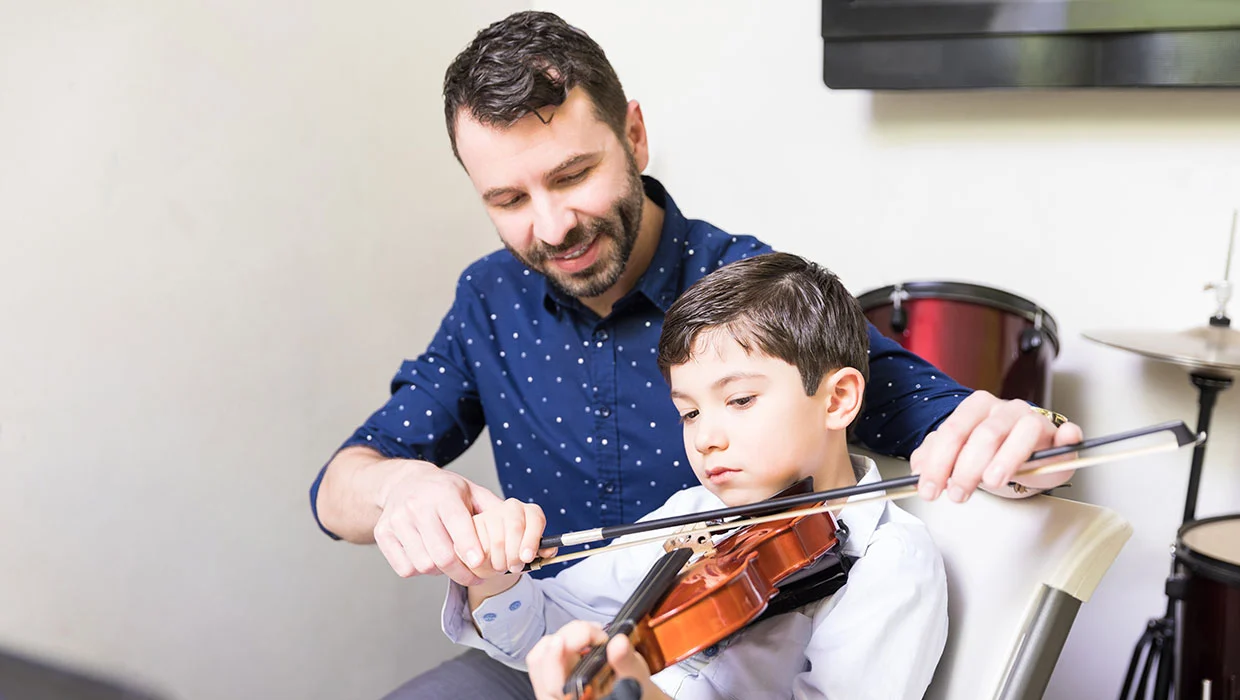
One of the most overlooked factors in a child’s motivation is the relationship between the student and the teacher. Children learn in different ways. Some need structure, while others thrive with flexibility. Some respond best to encouragement, while others enjoy being challenged. Some learn better by ear, and others prefer reading music.
That’s why MusiKey focuses on personalized matching and flexibility. Changing teachers or adjusting the approach isn’t a setback — it’s often an important part of supporting a child’s growth. The right match can completely transform a student’s confidence and engagement.
Music is not a race. It’s a long journey that requires patience, consistency, and support from both teachers and parents. Sometimes the most supportive choice isn’t pushing forward at all costs, but making thoughtful adjustments — or even allowing a short pause when needed.
When children feel heard, understood, and supported, they’re far more likely to maintain a healthy, positive relationship with music for years to come.
Supporting Your Child’s Musical Journey in San Diego
At
MusiKey, we understand that every child’s path in music is different. Whether your family is exploring
piano lessons in San Diego,
guitar lessons in San Diego, or
voice lessons in San Diego, the key is finding the right
teacher and the right approach at the right time. That’s why we focus on thoughtful, personalized matching and flexible
lesson options — including in-home and online instruction. When students feel supported and understood, they’re far more likely to stay engaged, even through natural ups and downs. Music should be a lasting source of confidence and joy, and the right guidance makes all the difference.